Resealing natural stone
A sealer wearing out is invisible until you look for it. There is a five-minute test that settles it, and most floors we are called to have already failed it for years.
Calls answered 7am to 8pm · same-day service usually available
Do the water test, then ring us and tell us what happened.
The water test
The only reliable way to know, and it requires nothing but water and five minutes.
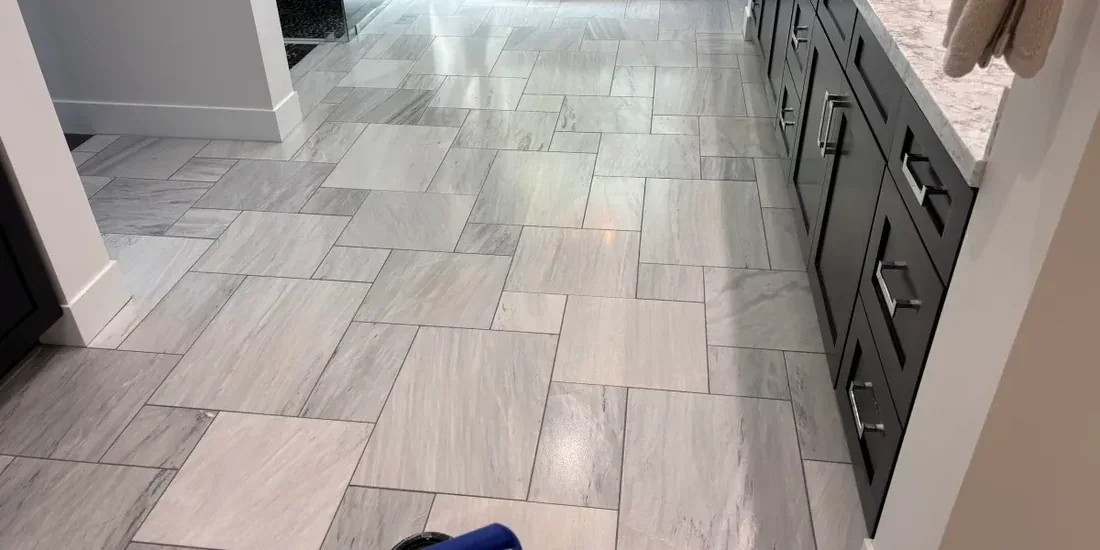
Put a few drops on the stone in a few different places, including a traffic path and somewhere nobody walks. Wait five minutes and look.
Beading, water sitting up on the surface in droplets, means the sealer is intact and doing its job.
Soaking in and darkening the stone means the sealer has worn through. Whatever else lands on that floor is going in the same way.
Test more than one spot, because sealer wears unevenly. It is entirely normal to find an entry that has failed and a formal room that has not, and that tells you something useful about how the floor is being used.
Why sealer wears out
Three things take it off and they act together.
Foot traffic
The main one. Grit underfoot abrades the sealer exactly where people walk, which is why a traffic lane fails the water test years before the perimeter of the same room does.
Cleaning products
Every mop breaks a sealer down slightly, and anything acidic breaks it down considerably faster while also attacking the stone underneath. A floor cleaned weekly with the wrong product can lose its seal in a couple of years.
Time
Sealers have a working life regardless. Even a lightly used floor needs resealing eventually.
Cleaning has to come first, every time
The most common expensive mistake with stone, and it is worth being emphatic.
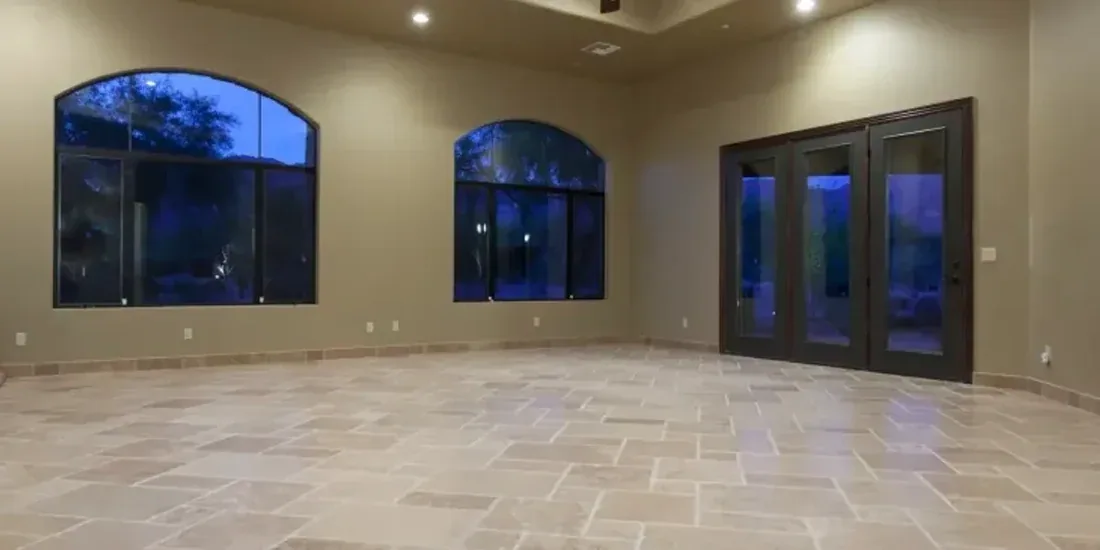
A sealer is a barrier. Put a barrier over soil and you have sealed the soil in, underneath a coating, where nothing can reach it. The floor looks acceptable for a while and then looks permanently dirty, and the only way back is stripping the sealer off and starting again.
This is exactly why our pricing is structured as tiers with cleaning included rather than offering sealing on its own. There is no version of this where we seal a floor we have not cleaned.
What sealing does and does not do
It does slow absorption dramatically, which in practice means you have minutes to wipe up a spill rather than seconds. On a porous stone floor in a busy house that is the whole difference.
It does not make stone stain-proof or acid-proof. An acidic spill left sitting will work through a sealer and etch the stone underneath. Sealer buys time, it does not grant immunity, and anybody telling you otherwise is selling.
It does not fix anything that has already happened. Existing etching, worn finish and permanent staining are all still there under a fresh sealer.
Doing it yourself
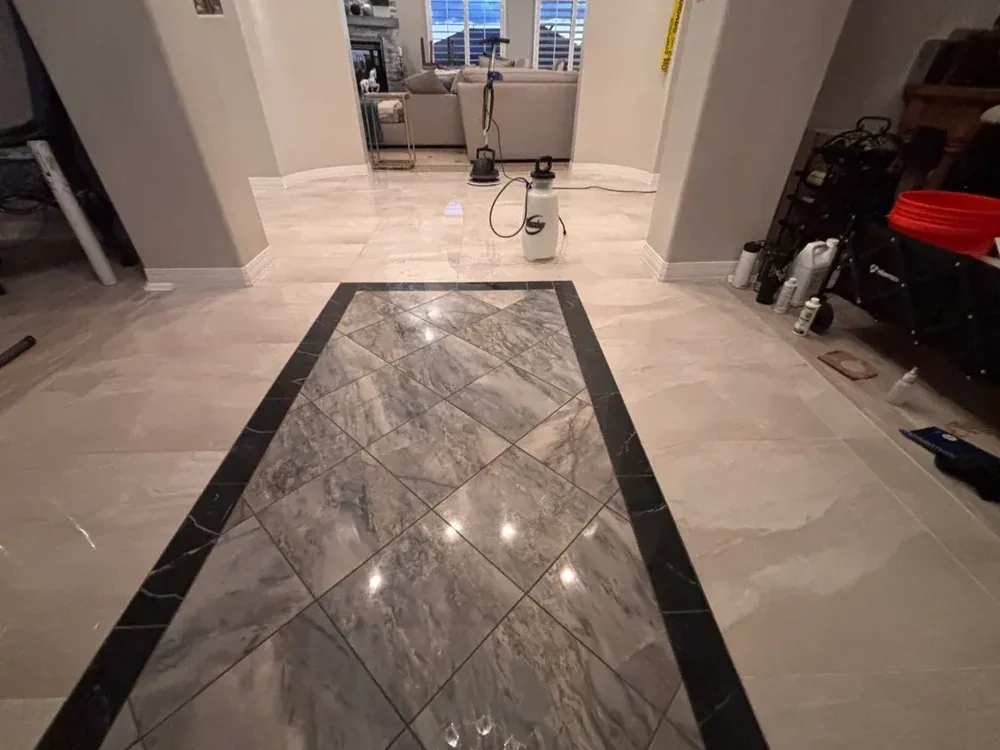
Consumer sealers exist and people use them. Two things go wrong, and both are invisible at the time.
Sealing over soil, covered above, which is the worse of the two because it is hard to undo.
Uneven application, which leaves some areas sealed and others not. The floor then absorbs in patches, and six months later there is a mottled appearance that is genuinely difficult to correct.
If you are going to do it yourself, clean thoroughly first with a pH-neutral product, let it dry completely, and apply evenly with more product than feels necessary. The failures come from rushing both steps.
Cure time
Worth planning around, because it is the part that inconveniences people.
Sealed stone needs time before heavy traffic, and the exact period depends on the product. We tell you the recommended wait before we leave rather than letting you guess.
On a house that is about to sit empty, this is trivial. On an occupied house it wants thinking about, and doing the job in sections is sometimes the sensible answer so you always have a route through.
Questions
How do I know if my stone needs resealing?
Put a few drops of water on it and wait five minutes. If the water beads and sits there, the seal is working. If it soaks in and darkens the stone, the seal has worn through.
How often is normal?
Every one to two years depending on the product used and how much traffic the area takes. A busy entry needs it sooner than a formal room nobody walks through.
Does the stone need cleaning first?
Always. Sealing over soil traps it under the coating, which is worse than leaving the floor unsealed, and undoing it means stripping the sealer back off.
Can I just seal it myself?
You can buy consumer sealers. The two things that go wrong are sealing over soil, which locks it in, and uneven application, which leaves patches that absorb while the rest does not. Neither is easy to see until later.
Does sealing make stone stain-proof?
No, and anybody claiming it does is overselling. It slows absorption, which buys you the time to wipe something up before it soaks in. Left sitting, an acidic spill will still etch through a sealer.
What happens if I never reseal?
The stone absorbs everything: hard water mineral, dust, spills and cleaning products. It gets progressively harder to clean, and eventually some of the discoloration stops being removable.
Calls answered 7am to 8pm · same-day service usually available
$1.70/sqft cleaned and clear sealed after the discount.